
Why Does Mold Grow in Homes?
All common types of household mold need moisture.
Common causes include:
- Leaks
- Storm or water damage
- Humidity
- Poor ventilation
The cause often matters more than the type.
How Does Mold Growth Happen in Homes?
Mold doesn’t appear randomly. It forms when moisture is present long enough for spores to settle and grow.
In many homes, this happens in places you don’t immediately see:
- Behind walls after a leak
- Under flooring after water damage
- Around HVAC systems where condensation builds up
- Inside attics with limited airflow
This is why mold issues are not always obvious. You may notice a smell or a change in air quality before you ever see visible growth.
When Mold Is Not Always a Major Concern
Not every instance of mold requires urgent action or extensive testing.
- In some cases, mold may be limited and manageable:
- A small, isolated spot on a non-porous surface
- Growth that appeared after minor moisture and has not returned
- Areas where the source of moisture has been fully resolved
However, the key factor is consistency and spread. If mold keeps coming back, spreading, or appearing in multiple areas, it usually indicates a larger moisture issue.
When that happens, testing helps determine what’s really going on behind the surface.
Mold vs Mildew: What’s the Difference
Many homeowners use the terms mold and mildew interchangeably, but there are some differences.
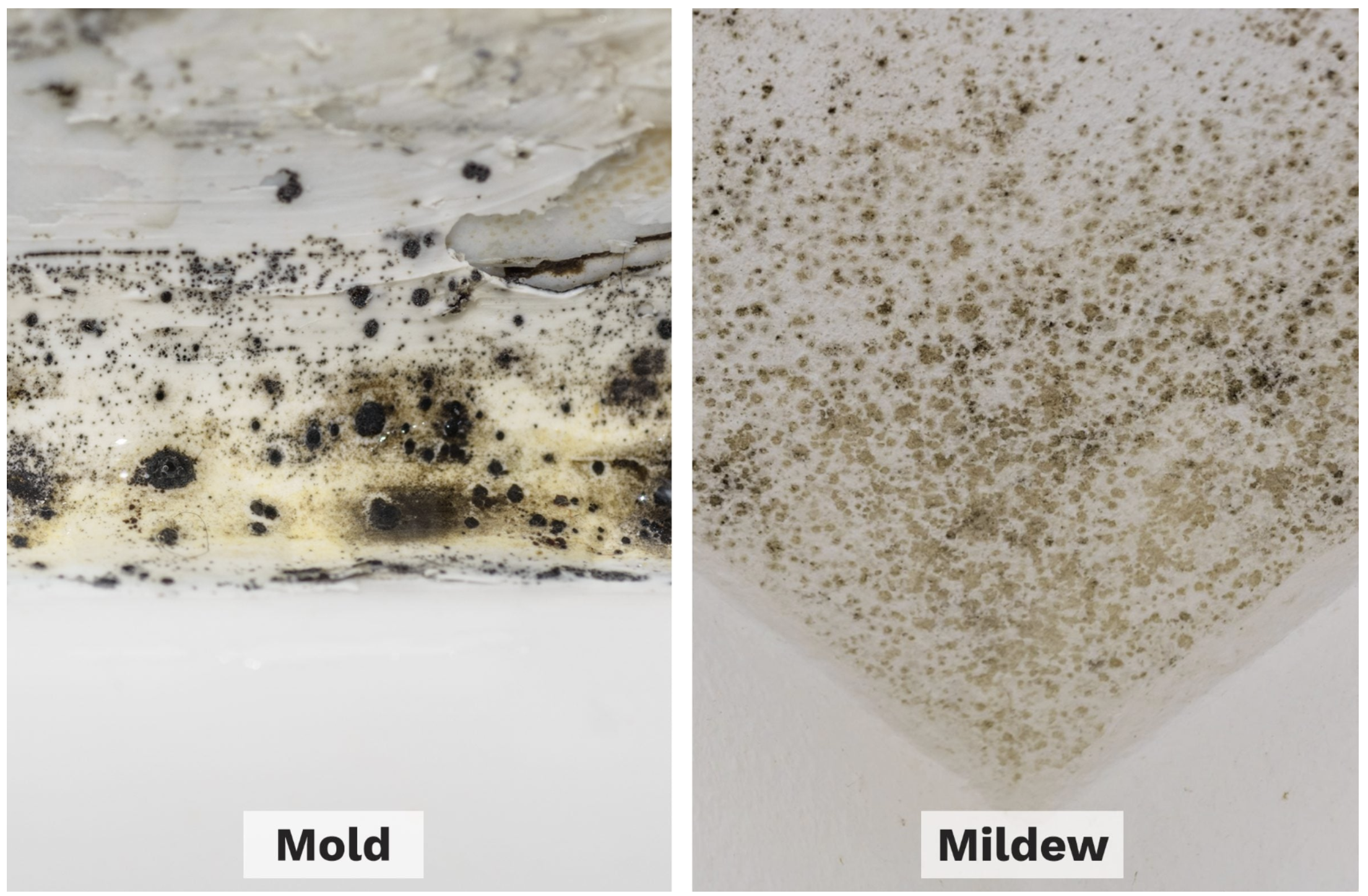
Mildew is typically:
- Lighter in color (white, gray, or yellow)
- Found on surfaces like showers, windowsills, or tile
- Easier to clean and usually surface-level
Mold is often:
- Darker in color (green, black, or brown)
- Able to grow into porous materials like drywall or wood
- More likely to spread if moisture is present
The challenge is that appearance alone is not reliable. What looks like mildew can sometimes be mold, and vice versa.
This is why testing is often the only way to confirm what you’re dealing with.
Let’s Go In-Depth: Common Types of Mold Found in Homes
Stachybotrys (Black Mold)
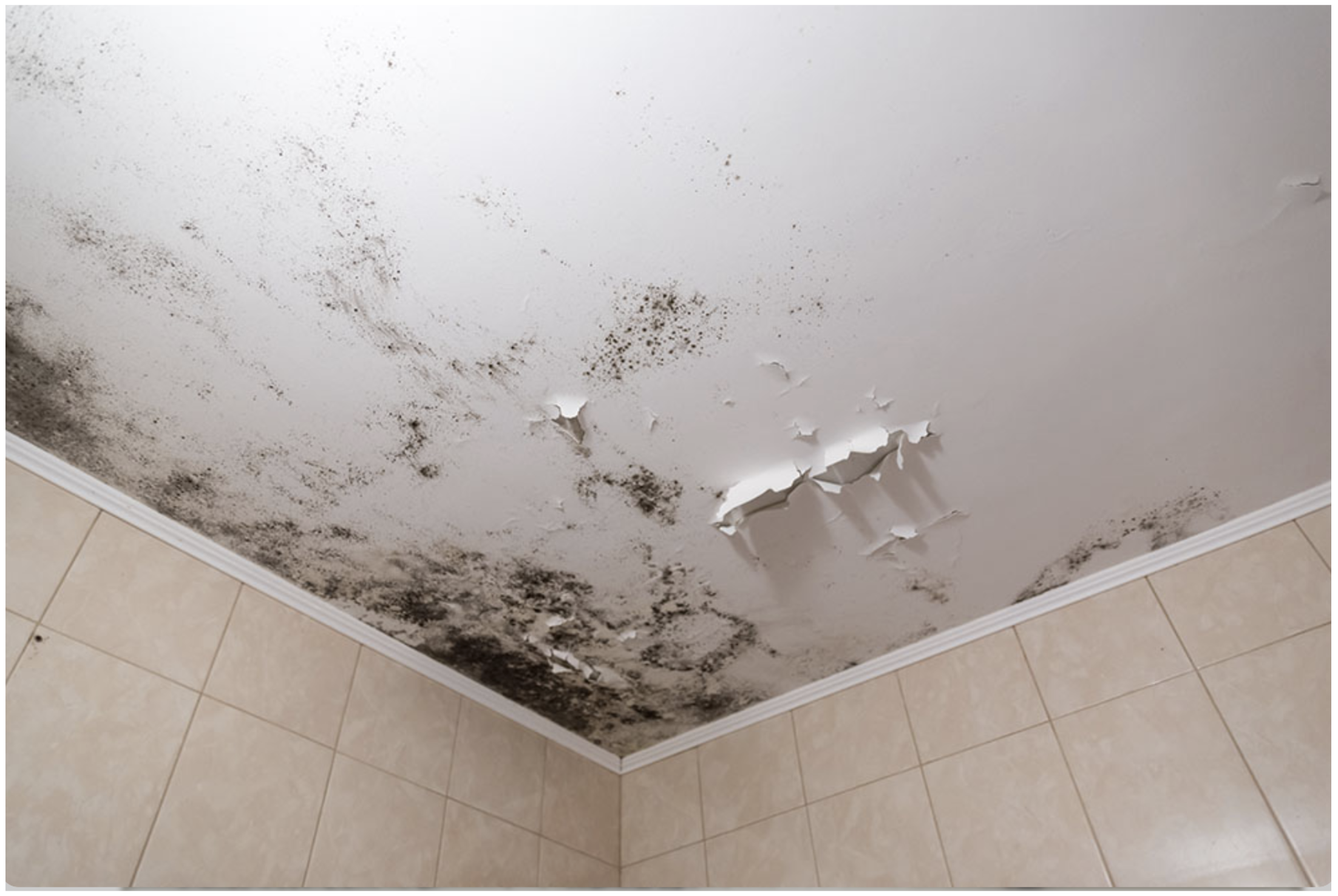
Stachybotrys is one of the most recognized types of mold in homes, often appearing dark green or black on water-damaged materials.
What this means: If you see this in an area with ongoing moisture, testing is the right next step to confirm what’s present and how far it has spread.
Aspergillus
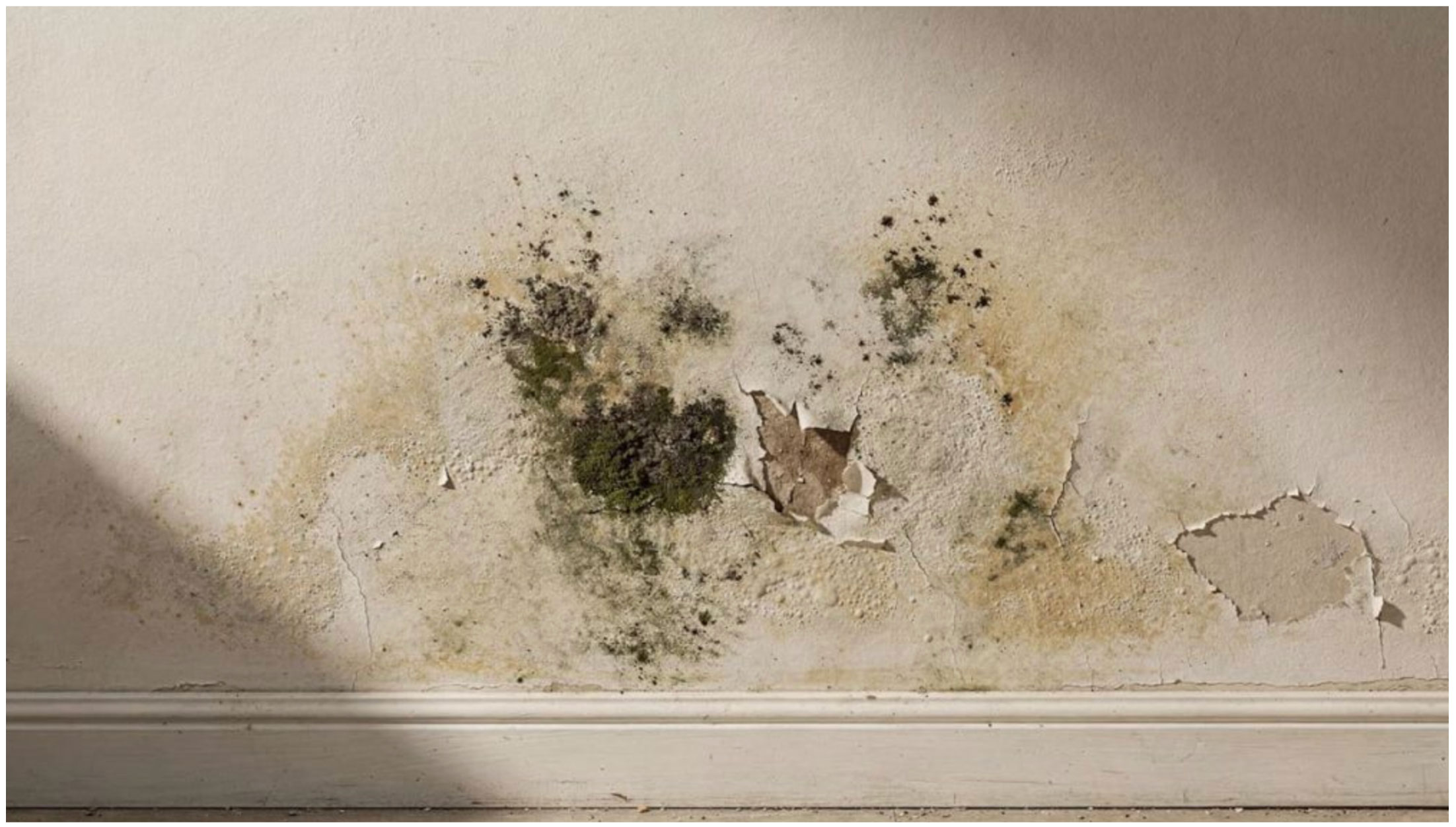
Aspergillus is one of the most common types of household mold and can appear in multiple colors.
What this means: Because it’s so common, testing helps determine whether levels are elevated or normal.
Penicillium
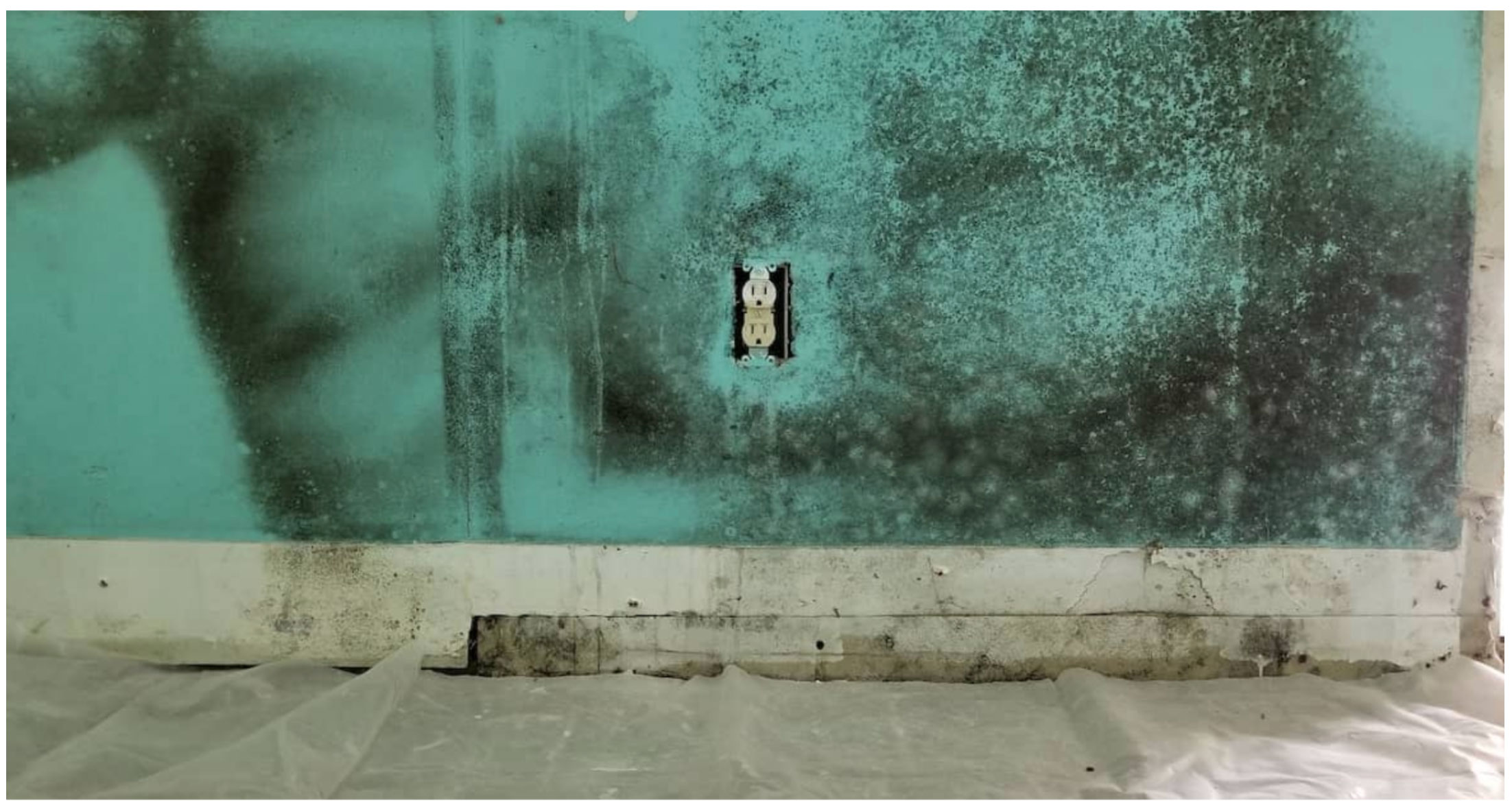
Penicillium spreads quickly and is often tied to water damage.
What this means: If it’s spreading or recent damage occurred, testing helps define the scope.
Alternaria
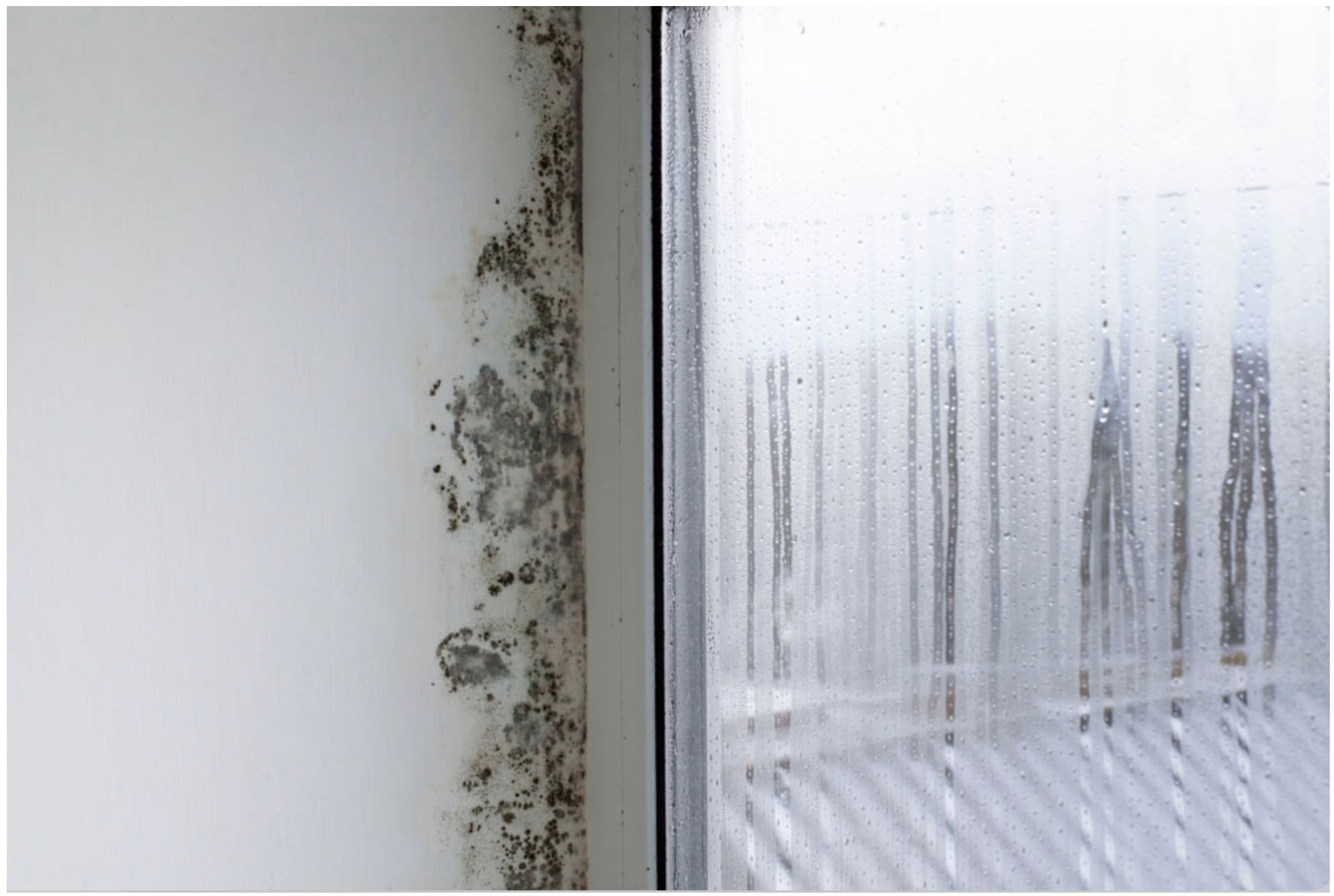
Alternaria is commonly found in damp areas like bathrooms and near leaks.
What this means:
If it keeps returning, testing helps identify the underlying issue.
Importantly: Different types of mold can vary in appearance. Testing is the only way to confirm the type and level.
Cladosporium
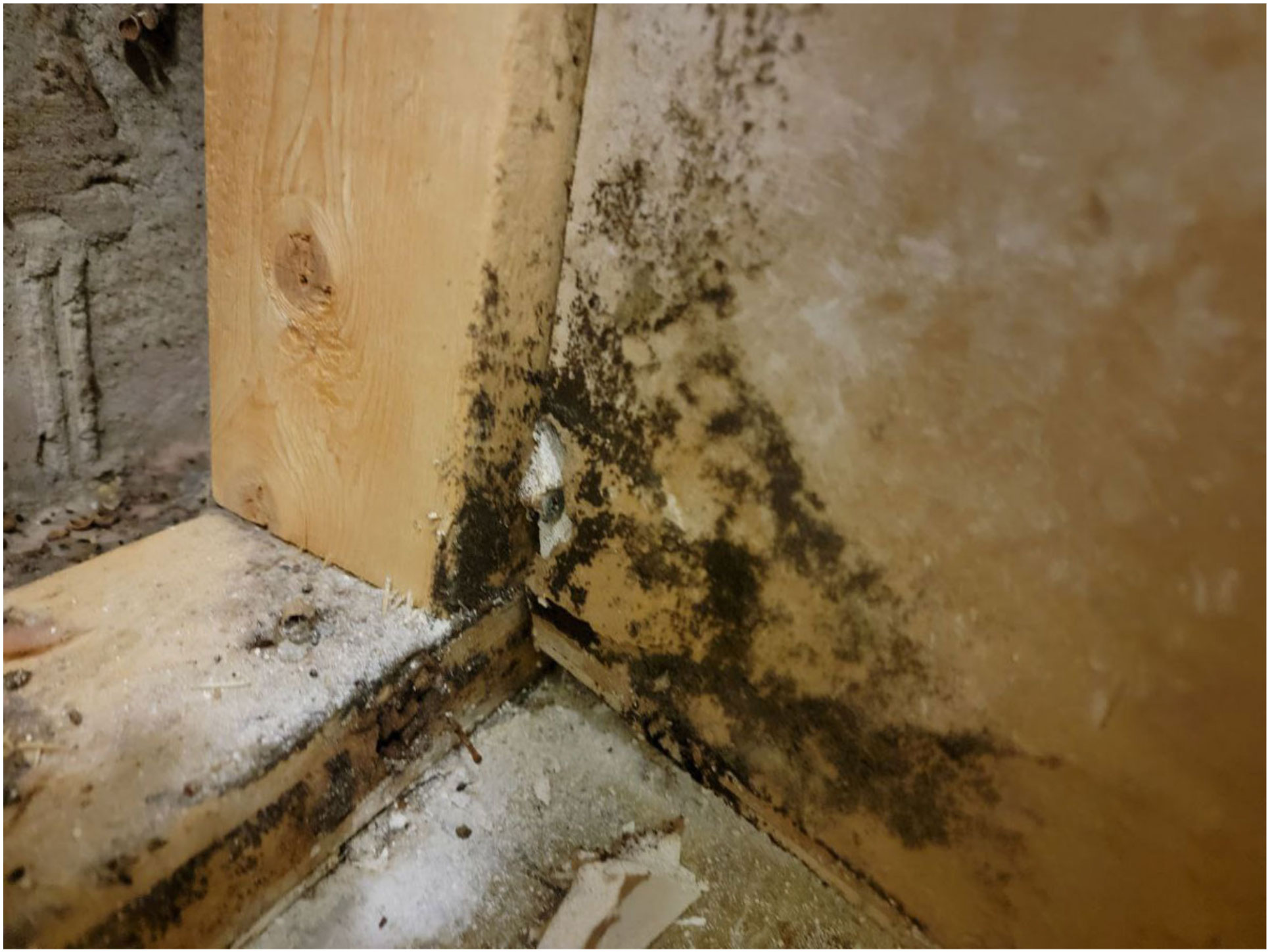
Cladosporium is one of the more common mold types.
What this means: Small areas may not require testing, but larger or recurring growth should be evaluated.
Importantly: Different types of mold can vary in appearance. Testing is the only way to confirm the type and level.
Why Testing Matters More Than Appearance
One of the most common misconceptions is that you can identify mold just by looking at it.
In reality:
Different types of mold often look similar
The same type can appear in different colors
Growth may exist in areas you cannot see
Testing provides objective data. It helps answer:
What type of mold is present
How much is present
Whether indoor levels are elevated
Without testing, decisions are based on assumptions. With testing, you have clear information to guide next steps.
When You Should Consider a Mold Inspection
You should consider testing if:
You’ve had water damage
You’re buying or selling a home
Mold keeps coming back
The source is unclear
You need documentation
Many homeowners searching for types of mold in homes are really trying to answer:
“Do I need to do something about this?”
Testing helps answer that clearly.
Why Testing Helps You Make the Right Decision
Different types of mold in homes can look very similar.
Testing confirms:
Type
Concentration
Impact
It also helps other professionals, like remediation contractors or inspectors, understand exactly what needs to be addressed.
Without testing, you’re guessing. With testing, you have clarity.
At DCG Environmental, you’ll get clear results in 2 to 3 days, so you can move forward without delays or second-guessing.
Final Thoughts
Understanding the types of mold in homes is helpful, but you don’t need to figure it out alone.
What matters most is:
How much is present
Where it’s located
What’s causing it
If something feels off, getting clear answers is the fastest way forward.
Frequently Asked Questions About Mold in Homes
Can I tell what type of mold I have just by looking at it?
No. Different types of mold can look very similar, even to experienced professionals. Color alone is not a reliable indicator. Testing is the only way to confirm the type and concentration.
Is black mold always dangerous?
Not always, but it is considered a higher concern mold. If you suspect Stachybotrys (commonly referred to as black mold), it’s a good idea to have it tested so you understand the scope and what steps to take next.
Do all types of mold require testing?
Not necessarily. Small, isolated areas of lower concern mold may not require testing. However, testing is recommended when:
The growth is widespread
The source of moisture is unclear
Mold keeps returning
You need documentation for a transaction or insurance claim
How quickly does mold grow after water damage?
Mold can begin to grow within 24 to 48 hours when moisture is present. That’s why addressing water issues quickly is important, even if mold isn’t visible yet.
What causes mold to keep coming back?
Recurring mold usually means the underlying moisture issue hasn’t been fully resolved. This could be due to hidden leaks, high humidity, or poor ventilation. Testing can help identify patterns and problem areas.
Is mold always visible?
No. Mold can grow behind walls, under flooring, or in HVAC systems where it isn’t immediately visible. Musty odors or ongoing moisture issues are often early signs.
How long does mold testing take?
The inspection itself is typically quick, but lab results usually take 2 to 3 days. This gives you clear, actionable information without long delays.
When should I call a professional instead of handling it myself?
You should consider professional testing when:
The affected area is larger than a small patch
You’re unsure what type of mold is present
There’s been significant water damage
You need clear documentation